5 hr
Bangkok Temples Tour: Grand Palace, Wat Pho & Wat Arun
Guided half-day walk through Bangkok's grandest temples, capped off with a river crossing to Wat Arun.
Reserve
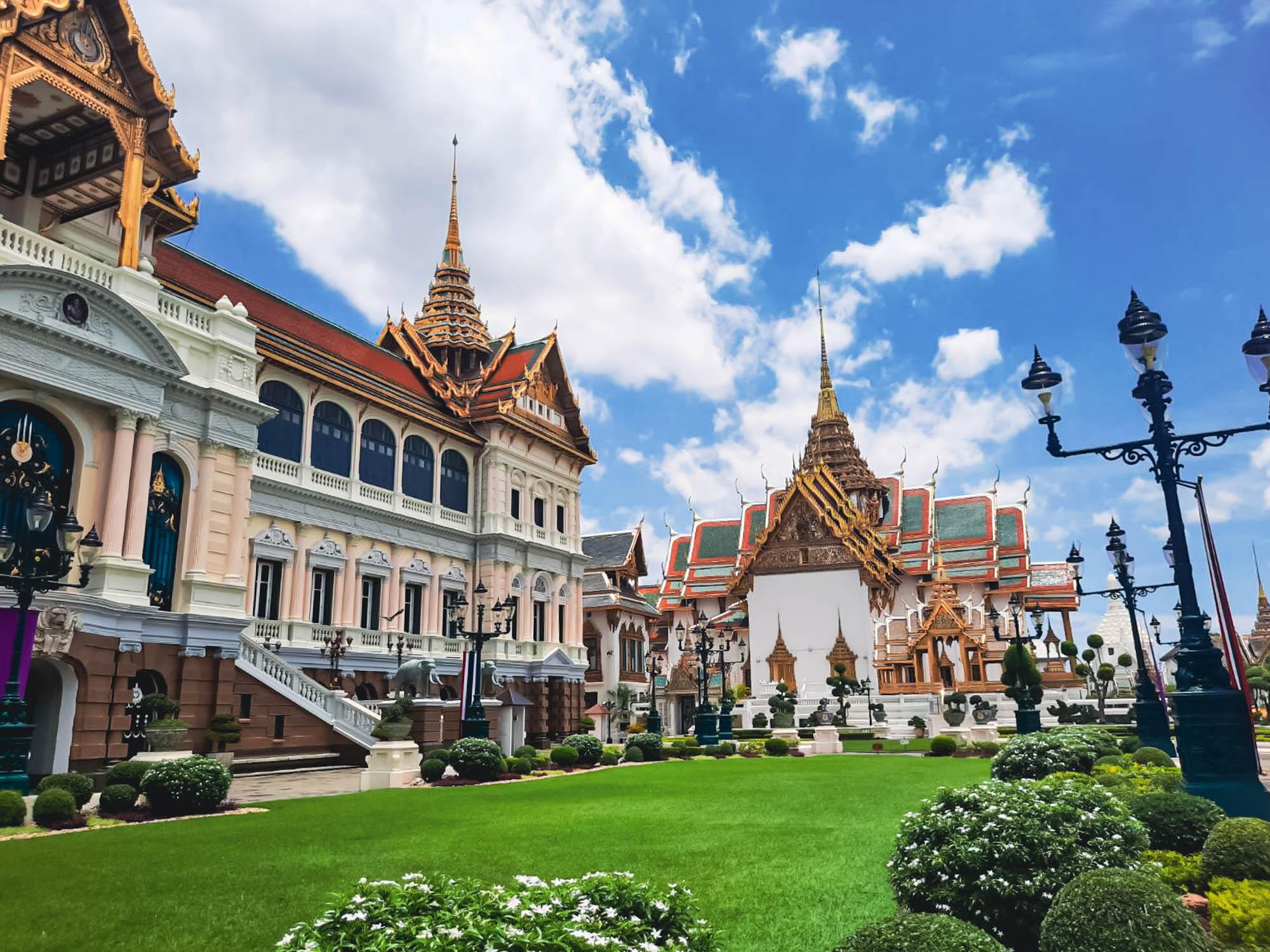
Gold spires above the Chao Phraya, one fee, three temples.
Hand-picked by our editors — only the best 5 experiences from 180 reviewed.
Verified partners for every tour, free cancellation where available, and instant confirmation on every booking.
5 hr
Guided half-day walk through Bangkok's grandest temples, capped off with a river crossing to Wat Arun.
Reserve
5 hr
Half-day boat tour to Bangkok's grandest temples and a lively flower market.
Reserve
3 hr
Explore Bangkok's Grand Palace and the Emerald Buddha temple on a guided 2.5-3 hour walking tour.
ReservePrices from verified partners. Availability updates in real time at checkout. Free cancellation policies apply where shown.
The landmarks, rooms, and views travelers on this tour remember — all visible on a single visit.
Home to the revered Emerald Buddha, this temple is the most sacred site in the Grand Palace complex. The statue is carved from a single block of green jade and stands at 66 centimeters tall.
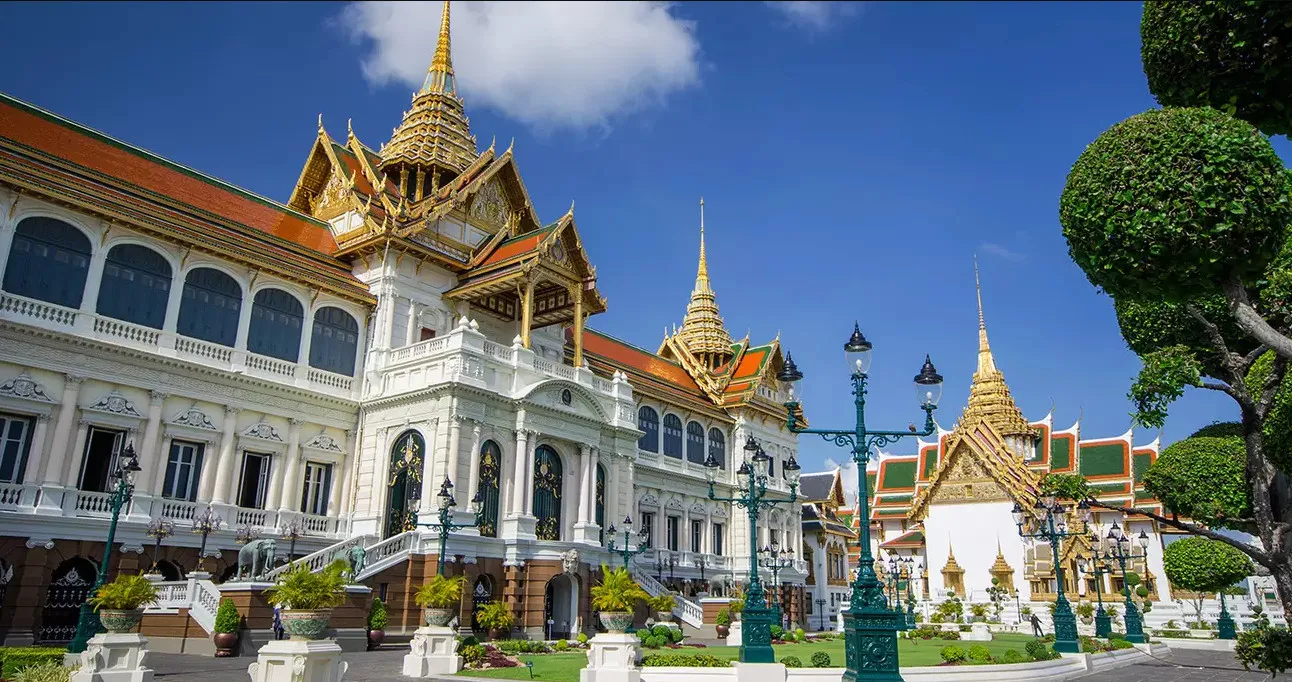
Constructed in 1882, this grand building blends Italian Renaissance design with traditional Thai rooftops. It serves as a striking example of 19th-century royal architectural evolution.
Originally built as a royal residence for King Rama V, this building features elegant European neo-classical design. It remains a visually stunning part of the Grand Palace grounds.
This library houses ancient scriptures and is known for its intricate mother-of-pearl inlay work. It is an essential stop for admirers of detailed Thai craftsmanship.
A masterpiece of traditional Thai architecture, this open-air pavilion was historically used as a royal changing room. Its delicate proportions are considered some of the best in the kingdom.
They complement each other; most visitors who do both call the Grand Palace the more monumental experience, while the smaller-scale Wat Arun offers a more accessible visit.
| Feature | Top pick Grand Palace | Wat Arun |
|---|---|---|
Entry Price |
500 THB (summer) | 200 THB (summer) |
Estimated Time Needed |
1.5–3 hours | 1–2 hours |
Atmosphere |
Grand and highly structured | Riverside and visually striking |
Strictness of Dress Code |
Extremely strict | Strict (shoulders/knees covered) |
Cultural Depth |
High (royal history) | High (religious and architectural history) |
| See tickets → |
Verdict: While the Grand Palace commands a higher bangkok temple tour price, it provides a comprehensive historical immersion compared to the more intimate, iconic riverside beauty of Wat Arun.
Choose your ticket, select your date, and reserve in under two minutes. Secure checkout handled by our verified partner.
Instant confirmation by email, with a mobile voucher you can save offline. No printing, no queuing at a collection desk.
Arrive at the entrance, show your voucher on your phone, and walk in. Most tickets include priority or skip-the-line access.
Best time to go, insider tips, nearby landmarks, and the cancellation fine print — flip through to skim what matters to you.
Flexible, no hidden fees.
Tickets are valid for the date of purchase. Non-refundable policy applies to the 500 THB conservation fee.
The Emerald Buddha is not emerald. The 66-centimetre figure enshrined at Wat Phra Kaew is carved from a single block of green jade, uncovered in 1434 when lightning split a chedi in Chiang Rai. It passed through Lampang, Chiang Mai and Vientiane before King Rama I brought it to Bangkok in 1784. Two years earlier the same king had moved the Siamese capital across the Chao Phraya to Rattanakosin island and laid the first walls of what became the Grand Palace. Every listing of Bangkok Temple Tour Price tickets ultimately points back at that decision, taken in 1782. The compound, known in Thai as Phra Borom Maha Ratchawang, covers 218,400 square metres behind nearly two kilometres of whitewashed wall. It works as three overlapping layers: a royal chapel, a ceremonial court, and a residence that ceased to be lived in when Rama V moved the household north to Dusit at the turn of the twentieth century. The chapel came first. Wat Phra Kaew houses no monks, only the jade image, dressed in gold robes changed three times a year by the reigning monarch at the turn of each season. Gilded chedis, a scripture library and a scale model of Angkor Wat commissioned by Rama IV crowd the upper terrace. Architecturally the site records Siam's long negotiation with the outside world. Dusit Maha Prasat, finished in 1790, is Ayutthaya revival in its purest form: a cruciform hall beneath a seven-tiered spire. Chakri Maha Prasat, completed in 1882 to designs by the British architect John Clunich, carries an Italianate body under three Thai prasat roofs — courtiers of the period called it a foreigner wearing a Thai hat. Along the cloister, 178 mural panels retell the Ramakien, repainted repeatedly since the first reign. Six pairs of yaksha guardians hold the inner gates. It remains a working stage rather than a museum piece. Coronations, royal cremations and state ceremonies still take place inside these walls, which is why the 500 THB conservation fee funds gold leaf and lacquer rather than exhibition design. Guided Bangkok Temple Tour Price tours pair the compound with Wat Pho and Wat Arun for a structural reason: the three were raised as one Rattanakosin skyline, facing the same river, and they are best read together.
"Every question about a temple fee in Bangkok points back to a decision taken in 1782."
Yes, the Grand Palace enforces strict modest attire; shoulders, knees, and ankles must be covered.
Yes, but photography is prohibited inside specific sacred halls at the Grand Palace.
Bring a passport, water, and comfortable walking shoes for your bangkok temple tour price tour.
Yes, Wat Pho and the City Pillar Shrine are located nearby your Grand Palace visit.